5 Breathing Exercises to Alleviate Sleep Apnea Symptoms
Breathing exercises to alleviate sleep apnea are one of the most accessible and evidence-supported tools available to patients who want to reduce severity naturally alongside their existing treatment. Unlike CPAP therapy or surgery, they cost nothing, carry no side effects, and can be practiced anywhere.
As an MBBS doctor with a focus on sleep disorders, I recommend specific breathing techniques to patients regularly. The results depend on consistency, but the research behind myofunctional and respiratory training is solid. This guide covers the five most effective exercises, how each one works, and how to build them into your daily routine. These exercises work best as part of a broader management strategy.
Table of Contents
Why Breathing Exercises Work for Sleep Apnea
Sleep apnea occurs when the muscles of the throat and tongue lose tone during sleep and collapse into the airway. Breathing exercises address this directly by strengthening these muscles through daily repetition, improving the structural support that keeps the airway open.
Research published in sleep medicine reviews found that oropharyngeal exercises reduced apnea-hypopnea index scores by approximately 50 percent in adults after three months of consistent practice.
Beyond muscle strengthening, breathing exercises also improve respiratory efficiency, increase CO2 tolerance, and activate the parasympathetic nervous system before sleep, all of which reduce the physiological conditions that worsen apnea episodes.
What Breathing Exercises Can and Cannot Do
Breathing exercises are a genuine clinical intervention for mild to moderate OSA and an effective complement to CPAP therapy for moderate to severe cases. They are not a replacement for medical treatment and should not be used to justify stopping CPAP without medical approval. The benefits build over weeks, not days. Most patients notice meaningful improvement after four to six weeks of daily practice.
5 Breathing Exercises to Alleviate Sleep Apnea
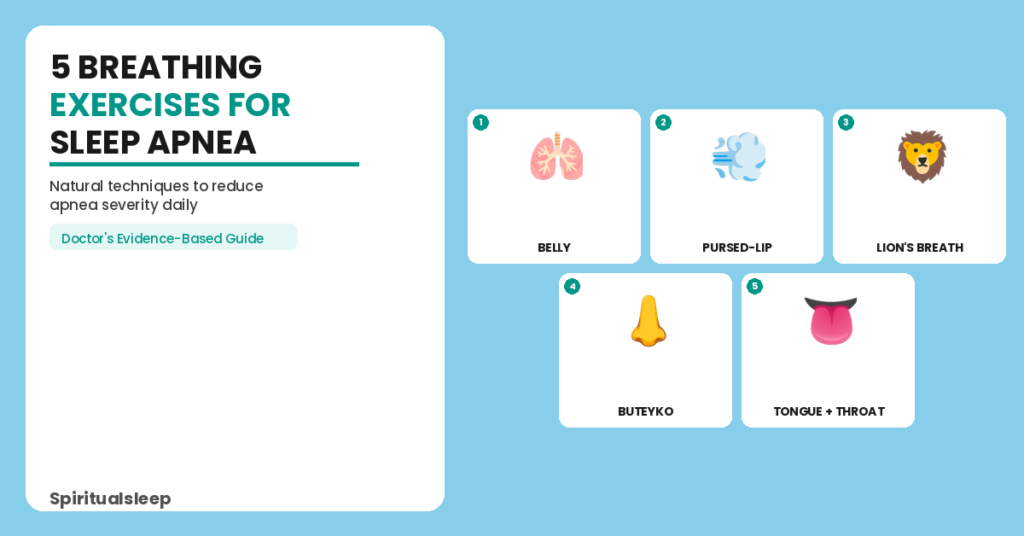
1. Diaphragmatic Breathing
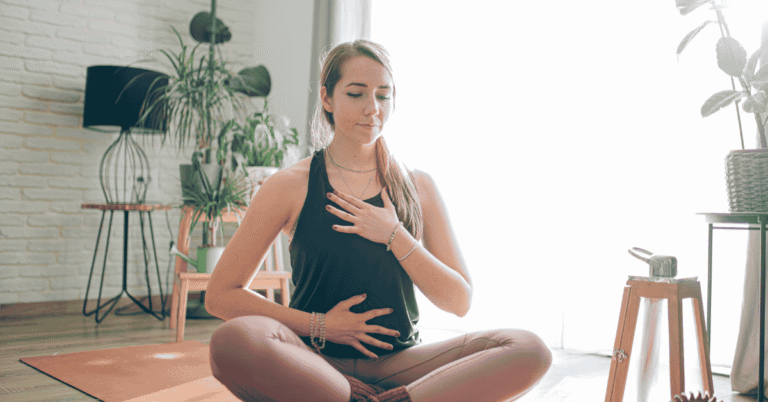
Diaphragmatic breathing strengthens the diaphragm and builds the deep, controlled breathing pattern that reduces airway collapse during sleep. It is also one of the fastest ways to activate the parasympathetic nervous system before bed.
How to do it:Lie on your back or sit comfortably. Place one hand on your chest and one on your abdomen. Inhale slowly through your nose for four counts, ensuring your belly rises while your chest stays still. Exhale through pursed lips for six counts. Repeat for five to ten minutes daily, ideally before sleep.
Why it works:By training the diaphragm to lead each breath, this exercise increases lung capacity and creates a breathing pattern less dependent on upper airway muscle support, reducing collapse risk.
The same diaphragmatic breathing technique also works powerfully as a general sleep aid for anyone struggling to fall asleep.
2. Pursed-Lip Breathing
Pursed-lip breathing increases the air pressure within the airway during exhalation, which physically prevents the airway walls from collapsing. It directly addresses the mechanism of obstructive sleep apnea.
How to do it:Sit comfortably and relax your shoulders. Inhale through your nose for two counts. Exhale slowly through pursed lips, as if blowing out a candle, for four counts. The exhale should take twice as long as the inhale. Practice for five to ten minutes twice daily.
Why it works:Pursed-lip breathing is widely used in respiratory rehabilitation for multiple conditions involving airway obstruction. The increased exhalation pressure keeps airways partially open and improves oxygen exchange.
3. Lion’s Breath (Simhasana)
Lion’s Breath is a yoga-derived technique that tones the muscles at the back of the throat and the tongue. These are precisely the muscles that lose tone during sleep and contribute to airway collapse in obstructive sleep apnea.
How to do it:Sit in a comfortable position. Inhale deeply through your nose. Open your mouth wide, extend your tongue fully downward, and exhale forcefully while making a low haaa sound from the back of your throat. Repeat five to ten times per session.
Why it works:The forceful exhale combined with full tongue extension activates and fatigues the oropharyngeal muscles in a targeted way, building tone through repeated use similar to resistance training for the airway.
4. Buteyko Breathing Technique
The Buteyko method focuses on reducing over-breathing and retraining the respiratory system to breathe more slowly and efficiently. Many sleep apnea patients hyperventilate mildly throughout the day, which reduces CO2 tolerance and destabilizes breathing patterns during sleep.
How to do it:Sit comfortably and breathe normally through your nose for two minutes. After a natural exhale, pinch your nose closed and hold your breath until you feel a mild urge to breathe, typically five to ten seconds initially. Release and breathe normally for ten seconds, then repeat. Practice for ten minutes daily.
Why it works:Improving CO2 tolerance through Buteyko training stabilizes the chemo-reflex that controls breathing during sleep, reducing the irregular breathing patterns that trigger and worsen central sleep apnea components.
5. Tongue and Throat Strengthening Exercises
These targeted exercises build structural tone in the specific muscles most responsible for airway patency during sleep. They form the core of myofunctional therapy, which has the strongest clinical evidence base of any breathing intervention for OSA.
- Tongue slide:Press the tip of your tongue firmly against the roof of your mouth behind your front teeth. Slide it backward along the roof as far as it will go. Repeat 10 to 20 times per session.
- Tongue press:Press your entire tongue flat against the roof of your mouth and hold for ten seconds. Release fully and repeat ten times.
- Throat gargle:Gargle with warm water for two to three minutes using a sustained sound from the back of your throat.
Why they work:Myofunctional therapy research consistently shows these exercises reduce OSA severity by strengthening the muscles that prevent airway wall collapse during the low-muscle-tone state of sleep.
How to Build a Daily Breathing Routine
Consistency is what produces results. A scattered approach practiced every few days will not produce the structural muscle changes that sustained daily practice achieves.
- Dedicate 15 to 20 minutes daily:Split between a morning session for Buteyko and tongue exercises and an evening session for diaphragmatic and pursed-lip breathing before sleep.
- Pair with an existing habit:Practice diaphragmatic breathing immediately after getting into bed. Linking it to bedtime removes the need for willpower and builds the habit faster.
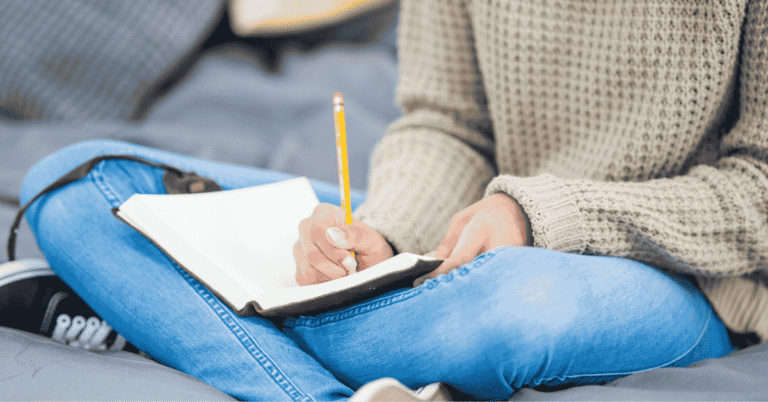
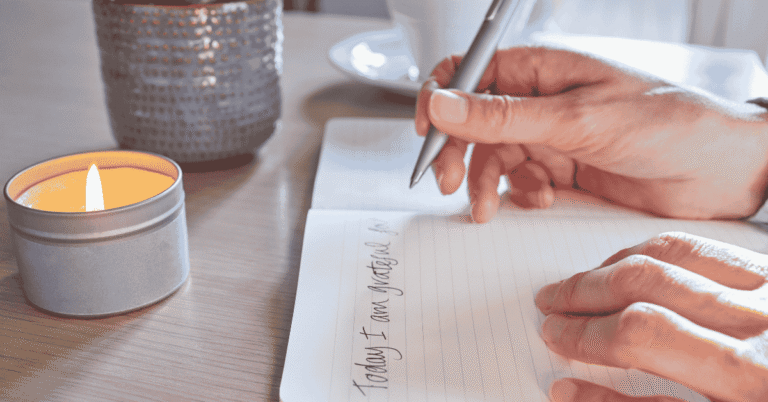
- Track your sleep quality weekly:Use a simple journal or sleep tracking app to note changes in snoring, wake frequency, and morning energy.
- Stay patient through the first month:Structural muscle changes require sustained stimulus over weeks. Most patients notice early improvements in four to six weeks and significant changes by three months.
A Doctor’s Personal Experience
In my practice, I treated a 45-year-old patient with moderate obstructive sleep apnea who struggled to tolerate his CPAP machine and had stopped using it within the first month. He came to me frustrated, still symptomatic, and reluctant to try the device again.
I introduced him to diaphragmatic breathing and the tongue-strengthening exercises as a starting point while we worked on improving his CPAP mask fit. Within four weeks he reported waking less frequently and feeling marginally more rested. By six weeks his partner confirmed his snoring had reduced noticeably.
Personally, I practice Lion’s Breath after long clinic days. It is an oddly effective way to physically discharge the tension that accumulates through the day and creates a clear physiological shift toward relaxation within a few minutes.
Frequently Asked Questions
Can breathing exercises cure sleep apnea completely?
For mild OSA, consistent myofunctional and breathing exercises can reduce severity enough to achieve clinical remission. For moderate to severe cases, they significantly reduce symptoms and improve CPAP effectiveness but do not typically replace it as the primary treatment.
How long before results appear?
Early improvements in sleep quality typically appear within four to six weeks of daily practice. Meaningful reductions in apnea event frequency are usually measurable by three months.
Are these exercises safe for everyone?
Yes for the vast majority of people. If you have a neurological condition, severe COPD, or have had recent airway surgery, consult your doctor before starting.
Should I stop CPAP if I start these exercises?
No. These exercises are designed to complement CPAP therapy, not replace it. Only reduce or stop CPAP use under medical supervision following a follow-up sleep study confirming improvement.
Conclusion
Breathing exercises to alleviate sleep apnea address the root mechanical causes of airway obstruction directly and build measurable improvements over consistent daily practice. Diaphragmatic breathing, pursed-lip breathing, Lion’s Breath, Buteyko technique, and tongue-strengthening exercises each target different aspects of the problem and work best used together.
Start with diaphragmatic breathing and the tongue exercises as your foundation. Add the others progressively over two to three weeks. Practice every day, track your results weekly, and review progress with your doctor after three months.
These are not a cure on their own, but they are a powerful complement to whatever treatment plan you are already following.
Medical Disclaimer:This article is based on thorough research, scientific studies, and my personal experience as a medical doctor interested in sleep health. This content is for informational purposes only and should not be considered medical advice. Each individual’s sleep needs and health conditions are unique. I recommend consulting with a healthcare professional or sleep specialist to address specific concerns.