Dreams Where You Can’t Move: What They Mean and How to Stop Them
Dreams where you can’t move are among the most disturbing sleep experiences a person can have. Whether you are trying to run but feel rooted to the spot, attempting to scream but producing no sound, or waking up completely conscious but physically immobilized, these experiences leave people genuinely frightened and looking for answers.
As an MBBS doctor with a focus on sleep science, I have encountered these experiences in my practice regularly and experienced sleep paralysis myself during particularly demanding periods in my career. Understanding what is actually happening in the brain and body during these episodes transforms them from terrifying to manageable.
Table of Contents
Why Dreams Where You Can’t Move Happen
Immobility in dreams takes three distinct forms, each with a different underlying mechanism.
- Feeling stuck while trying to move:You are running or reaching for something but your limbs move impossibly slowly or not at all. This occurs entirely within REM sleep and reflects the brain’s motor suppression system operating normally.
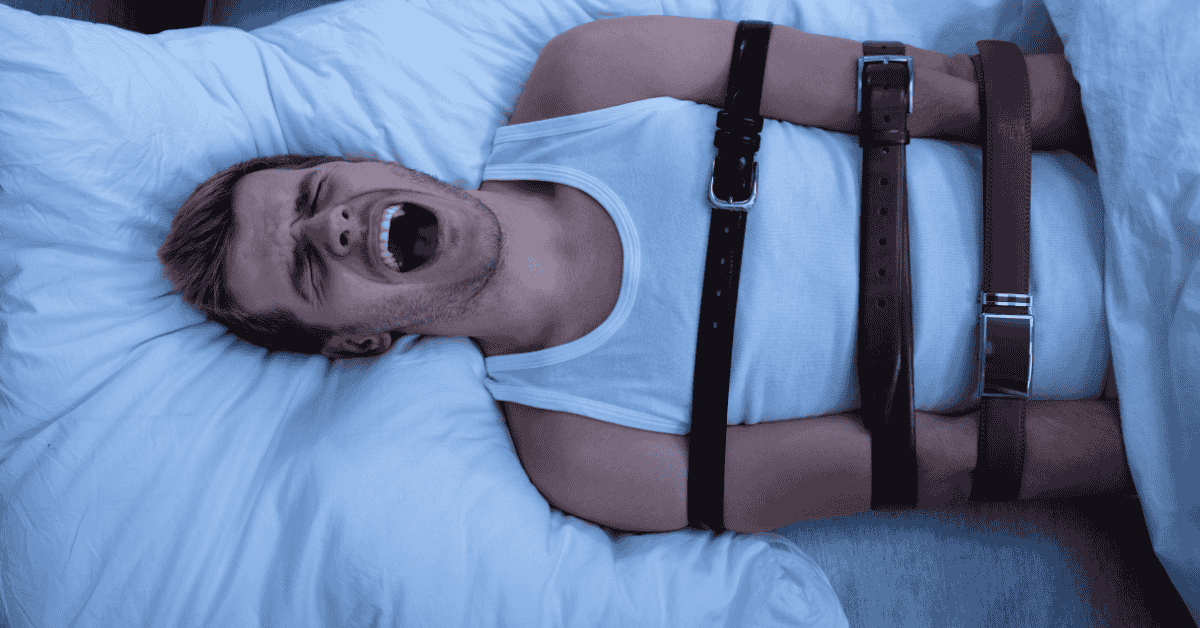
- Sleep paralysis:You are conscious and aware of your actual surroundings but completely unable to move or speak. Physiologically harmless in most cases but among the most frightening experiences in sleep medicine. Sleep paralysis is more common in people with existing sleep disorders including insomnia.
- Frozen in danger:You are aware of a threat in the dream but unable to react. This variant is particularly common in people experiencing high anxiety or unresolved stress.
The Biology Behind Immobility Dreams
REM Atonia: The Normal Mechanism
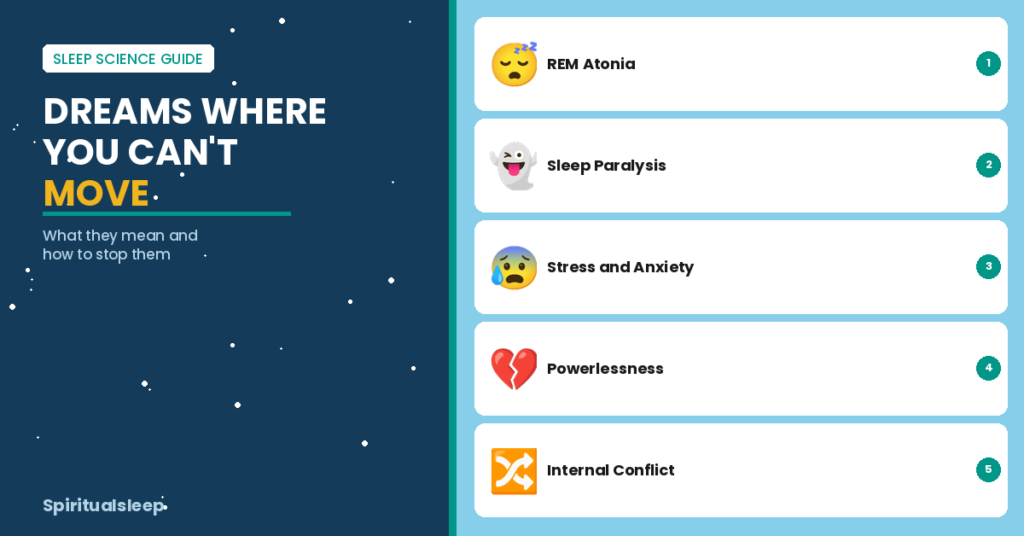
During REM sleep, the brainstem actively suppresses motor signals to the muscles through a mechanism called atonia. This is a sophisticated protective function. Without it, people would physically act out their dreams, which is exactly what happens in REM Sleep Behaviour Disorder when atonia fails.
When you feel stuck in a dream, your motor cortex is generating movement signals as if you are genuinely trying to run or act, but the brainstem is blocking those signals from reaching your muscles. The result is the distinctive sensation of effortful movement that produces no result.
Sleep Paralysis: When the Transition Misfires
Sleep paralysis occurs when REM atonia extends into the transition between sleep and wakefulness. The brain wakes up before the atonia mechanism releases the muscles, leaving you conscious and aware but physically immobilized. This can last anywhere from a few seconds to several minutes.
Sleep paralysis affects an estimated 8 percent of the general population and up to 28 percent of students during high-stress periods. It is significantly more common with sleep deprivation, irregular sleep schedules, stress, and sleeping on your back.
Many people experience hypnagogic hallucinations during sleep paralysis, sensing a presence in the room, hearing sounds, or seeing figures. These are not supernatural experiences. They are the dreaming brain partially active while the body remains in atonia.
What Immobility Dreams Mean Psychologically
Feelings of Powerlessness
Dreams of being stuck or unable to act are consistently linked to situations in waking life where a person feels trapped, controlled, or unable to influence outcomes. This includes feeling stuck in an unfulfilling job, unable to exit a difficult relationship, or overwhelmed by responsibilities that feel beyond their control. The dream reflects the feeling rather than causing it.
Fear of Change
Being immobilized in a dream sometimes reflects resistance rather than powerlessness. The inability to move in the direction the dream wants you to go can symbolize conscious or unconscious resistance to a change that feels threatening, whether a career shift, a relationship change, or a major life decision.
Internal Conflict
When a person is torn between two incompatible choices or suppressing emotions that need to be addressed, immobility dreams are a common result. The inability to act in the dream mirrors the inability to act in the waking situation.
Anxiety and Trauma
Research consistently shows that people with anxiety disorders and PTSD experience significantly higher rates of immobility dreams and sleep paralysis. The heightened amygdala activity associated with both conditions directly increases the emotional intensity of REM dream content. The science of what happens in the brain during dreams explains exactly why stress produces these immobility experiences.
Common Dream Themes and What They Reflect
- Running but unable to move:The most common variant, most consistently reflecting frustration at blocked progress in career, relationships, or personal goals. The harder you try to move in the dream, the more emotionally loaded the real-life situation usually is.
- Screaming without sound:Strongly associated with feeling unheard, ignored, or unable to effectively communicate something important to someone whose response matters to you.
- Frozen in the face of danger:Most closely linked to anxiety about real-life situations that feel threatening and out of control. The danger in the dream is often metaphorical rather than literal.
A Doctor’s Personal Experience
In my practice, I treated a patient who had been experiencing a recurring immobility dream for three months. She was trapped in quicksand while trying to escape from a workplace scenario. After discussing the context, the connection became clear. She was managing an overwhelming project deadline while feeling unable to speak to her manager about the workload.
We worked on two things simultaneously: addressing the sleep hygiene factors driving sleep paralysis frequency, and helping her find language to raise the workplace issue. Within four weeks the dreams had reduced significantly and within two months they had stopped entirely.
I experienced sleep paralysis twice during an exceptionally demanding period involving long clinic shifts and inadequate sleep. Understanding the biology prevented panic. I focused on slow breathing and on moving just one finger or one toe, which is the most reliable way to break the paralysis quickly. Both episodes resolved within a minute.
How to Reduce Immobility Dreams and Sleep Paralysis
Improve Sleep Hygiene
Sleep deprivation and irregular schedules are the most reliable triggers for both sleep paralysis and distressing immobility dreams.
- Consistent sleep schedule:The same bedtime and wake time every day rebuilds the sleep architecture that prevents atonia misfire during the sleep-wake transition.
- Avoid sleeping on your back:Sleep paralysis is significantly more common in the supine position. A body pillow or positional wedge reduces this reliably.
- Cut alcohol and caffeine:Both disrupt REM architecture in ways that increase dream vividness and sleep paralysis frequency.
Manage Stress Actively
- Pre-bed journaling:Writing down worries and unresolved concerns before sleep offloads the mental loop that otherwise surfaces as dream content during REM.
- 4-6 breathing:Inhale for four counts, exhale for six. Repeat for five minutes before sleep. The extended exhale activates the vagus nerve and reduces amygdala reactivity before REM begins.
- Progressive Muscle Relaxation:Physically releases body tension that accompanies the stress states most strongly linked to immobility dreams.
How to Break Sleep Paralysis When It Happens
During a sleep paralysis episode, the worst thing you can do is panic and try to force large movements. This typically prolongs the episode by raising adrenaline and deepening the fear response.
Stay calm, focus on slow breathing, and attempt to move just one finger or one toe repeatedly. Small peripheral movement signals break the atonia mechanism far more reliably than large attempted movements. Most episodes resolve within one to two minutes using this approach. Some experienced lucid dreamers intentionally use sleep paralysis as an entry point into a lucid dream.
Address Medical Causes if Needed
If immobility dreams and sleep paralysis occur frequently despite consistent sleep hygiene and stress management, a medical evaluation is appropriate. Narcolepsy, obstructive sleep apnea, and REM Sleep Behaviour Disorder all produce abnormal REM experiences and require specific clinical treatment.
Frequently Asked Questions
Is sleep paralysis dangerous?
In the vast majority of cases, no. Sleep paralysis is frightening but physiologically harmless. If you have a known heart condition and experience frequent severe sleep paralysis, discuss it with your doctor.
Why do I see figures during sleep paralysis?
These hallucinations occur because the dreaming brain is partially active while you are conscious. The visual cortex generates imagery, the amygdala generates a strong threat response, and the suppressed prefrontal cortex cannot reality-check the experience. The figures are dream content intruding into wakefulness.
Can stress cause sleep paralysis?
Yes. Elevated cortisol disrupts REM architecture and increases the likelihood of atonia misfiring during the sleep-wake transition. Periods of high stress reliably increase sleep paralysis frequency in susceptible individuals.
When should I see a doctor about immobility dreams?
If immobility dreams or sleep paralysis occur more than once per week, significantly disrupt sleep quality, or are accompanied by excessive daytime sleepiness, a sleep medicine evaluation is worth pursuing to rule out narcolepsy or other REM sleep disorders.
Conclusion
Dreams where you can’t move are both biologically explained and psychologically meaningful. The biology is REM atonia doing its job or misfiring at the sleep-wake transition. The psychology reflects specific waking-life emotional states that the dreaming brain is processing during REM.
Both aspects are actionable. Improving sleep hygiene and reducing stress targets the biological drivers. Journaling and identifying the real-life source of the immobility theme targets the psychological ones. Together they produce consistent reduction in both frequency and distress.
If sleep paralysis or immobility dreams are disrupting your life consistently, that is a signal worth taking seriously rather than simply enduring.
Medical Disclaimer:This article is based on thorough research, scientific studies, and my personal experience as a medical doctor interested in sleep health. This content is for informational purposes only and should not be considered medical advice. Each individual’s sleep needs and health conditions are unique. I recommend consulting with a healthcare professional or sleep specialist to address specific concerns.