Tips for Managing Sleep Apnea: Lifestyle, Breathing and Medical Strategies
The most effective tips for managing sleep apnea combine lifestyle changes, breathing techniques, and medical treatment in a structured approach tailored to the severity of your condition. Sleep apnea is serious but highly manageable, and millions of people live with significantly reduced symptoms through the right combination of strategies.
As an MBBS doctor specializing in sleep health, I help patients build practical management plans that fit their real lives. What works for one person depends on the type and severity of their sleep apnea, their lifestyle, and whether they have underlying conditions contributing to it.
Table of Contents
Why Managing Sleep Apnea Matters
Sleep apnea is not just a snoring problem. Every apnea episode drops blood oxygen levels and triggers a stress response that strains the cardiovascular system. Left unmanaged, the cumulative effect over months and years is significant.
Untreated sleep apnea is a recognized risk factor for high blood pressure, heart attack, stroke, type 2 diabetes, and severe cognitive decline. Managing it effectively reduces these risks substantially.
Lifestyle Changes That Make a Real Difference
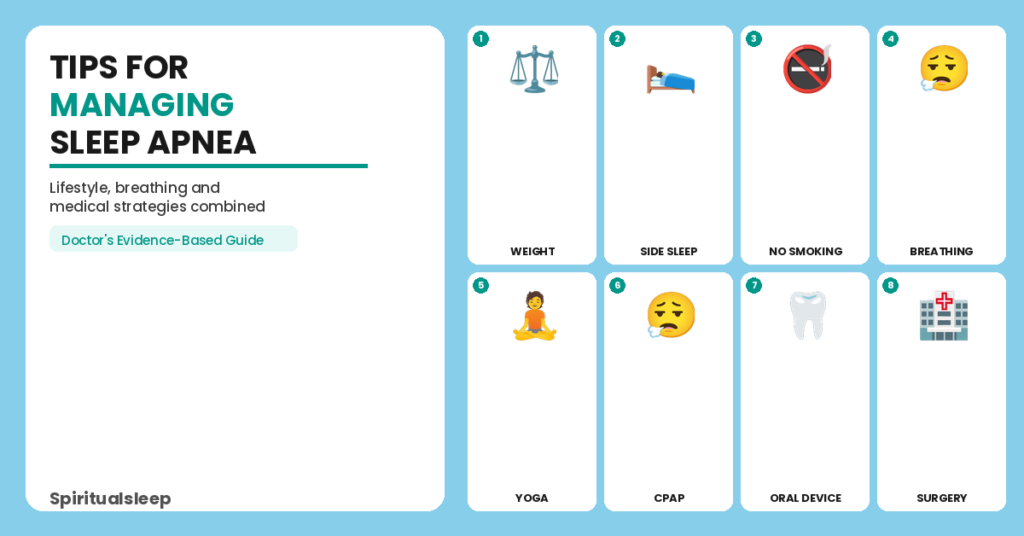
1. Maintain a Healthy Weight
Excess weight, particularly fat deposits around the neck and throat, is the most modifiable cause of obstructive sleep apnea. Even a 10 percent reduction in body weight can reduce apnea severity by 30 to 50 percent in overweight patients and resolve it entirely in mild cases.
- Follow a whole-food diet:Prioritize vegetables, lean proteins, whole grains, and healthy fats. Reduce refined carbohydrates and sugar.
- Build daily movement habits:30 minutes of moderate activity daily produces metabolic changes that support weight loss and improve sleep quality independently.
- Work with a specialist if needed:A dietitian or weight management physician can create a structured plan that produces sustainable results.
Understanding the root cause of your sleep apnea makes every management strategy more targeted and effective.
2. Sleep on Your Side
Body position has a direct mechanical effect on airway patency. When you sleep on your back, gravity pulls the tongue and soft palate backward into the airway. For many OSA patients, positional change alone reduces apnea severity by 50 percent or more.
- Use a body pillow:A full-length body pillow prevents rolling back onto your back during the night without requiring conscious effort.
- Try the tennis ball method:Sewing a tennis ball into the back of your sleep shirt trains the body to stay lateral over two to three weeks.
- Elevate the head of your bed slightly:A 15 to 30 degree incline reduces the gravitational pull on throat tissues and also helps with acid reflux.
3. Quit Smoking and Limit Alcohol
Smoking inflames and narrows the upper airway continuously, compounding whatever structural factors already exist. Alcohol relaxes throat musculature more deeply than normal sleep does, turning mild apnea into moderate apnea and moderate into severe in the hours following consumption.
- Commit to smoking cessation:Airway inflammation begins reducing within weeks of stopping. Nicotine replacement therapy and behavioral counseling both significantly improve success rates.
- Cut alcohol three hours before bed:This timing allows the muscle-relaxant effect to clear before sleep begins and measurably reduces apnea event frequency.
- Replace evening alcohol:Chamomile tea, a warm bath, or a short breathing routine achieves relaxation without compromising airway muscle tone.
Dietary changes deserve their own dedicated attention as a sleep apnea management tool.
Breathing and Upper Airway Exercises
4. Diaphragmatic Breathing
Diaphragmatic breathing strengthens the respiratory muscles and improves oxygen efficiency. Practiced consistently before bed, it also activates the parasympathetic nervous system which reduces the hyperarousal that makes apnea symptoms worse.
Place one hand on your chest and one on your belly. Inhale through your nose for four counts ensuring your belly rises and your chest stays still. Exhale slowly for six counts through your mouth. Practice for five to ten minutes before sleep each night.
5. Upper Airway Muscle Exercises
Research shows that myofunctional therapy reduces OSA severity by approximately 50 percent in adults when practiced consistently for three months. Exercises target the tongue, throat, and facial muscles to build tone that prevents collapse during sleep.
- Practice for 20 to 30 minutes daily:Consistency over three months is required for structural muscle changes to take effect.
- Consider a myofunctional therapist:Guided instruction produces faster and more accurate technique than self-directed practice alone.
A dedicated guide to the most effective breathing exercises for sleep apneacovers each technique in full detail.
Optimize Your Sleep Environment
A well-configured sleep environment reduces the factors that worsen apnea and supports deeper, more restorative sleep during the apnea-free periods.
- Keep the room cool:A temperature between 16 and 19 degrees Celsius reduces core body temperature and promotes deeper sleep stages.
- Control allergens:Dust mite covers, regular bedding washing, and an air purifier reduce nasal congestion that worsens mouth breathing and airway obstruction.
- Use a humidifier:Dry air irritates nasal passages overnight, particularly for CPAP users who experience nasal dryness.
- Eliminate light and noise:Blackout curtains and a white noise machine reduce the micro-awakenings caused by environmental changes that compound apnea-related sleep disruption.
Medical Treatment Options
6. CPAP Therapy
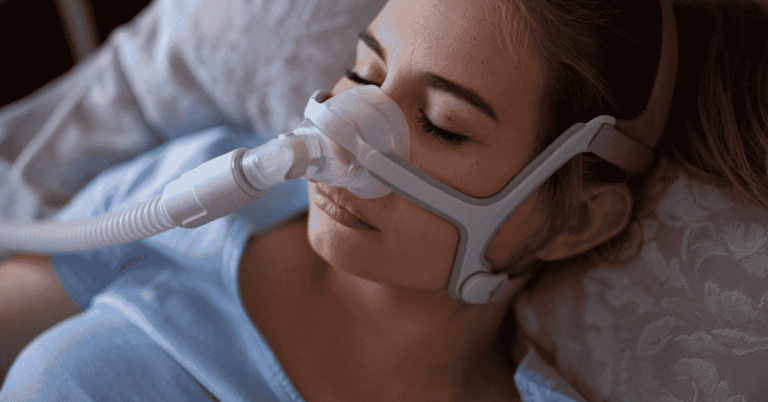
CPAP therapy is the gold standard treatment for moderate to severe obstructive sleep apnea. The device delivers a continuous stream of pressurized air through a mask that keeps the airway physically open throughout the night, preventing collapse entirely.
Most patients notice dramatic improvements in sleep quality and daytime energy within the first few days of consistent use. The key word is consistent, CPAP only works while worn.
- Ensure proper mask fit:The most common reason patients abandon CPAP is discomfort from a poorly fitting mask. Trial different mask styles until you find one that seals comfortably.
- Use heated humidification:Built into most modern CPAP machines, heated humidity prevents the nasal dryness and congestion that makes early CPAP adaptation uncomfortable.
- Start with short sessions:If wearing the mask feels claustrophobic initially, practice wearing it awake for 15 to 30 minutes before attempting to sleep with it.
7. Oral Appliances
Custom-fitted dental devices reposition the lower jaw and tongue forward, physically increasing the space in the back of the throat and preventing airway collapse. They produce excellent results for mild to moderate cases and are often preferred by patients who cannot tolerate CPAP.
- Consult a sleep dentist:A device fitted by a specialist with sleep medicine training produces far better outcomes than over-the-counter options.
- Follow up regularly:The jaw repositioning effect can cause bite changes over time that require periodic appliance adjustment.
8. Surgical Options
Surgery is typically considered when CPAP and oral appliances have failed or are not tolerated, and when a specific correctable anatomical cause has been identified. Common procedures include uvulopalatopharyngoplasty which removes excess soft tissue, nasal surgery for a deviated septum, and Inspire therapy which is an implanted airway stimulation device.
Surgery involves real risks and recovery time. It should only be pursued after thorough evaluation by a sleep physician and an experienced surgical specialist, with realistic expectations about outcomes.
A Doctor’s Personal Experience
In my practice, I treated a 45-year-old teacher with severe obstructive sleep apnea who came to me exhausted and reluctant to try CPAP therapy. She described the mask as uncomfortable and claustrophobic during our initial consultation.
We started with positional therapy and weight management first, which reduced her apnea severity from severe to moderate over three months. With that progress established, she was more motivated to try CPAP. We spent time on mask fitting and humidifier settings before she wore it through the night. Within two weeks she described her sleep as transformative and her energy levels as better than they had been in years.
I personally practice diaphragmatic breathing before sleep and maintain a consistent bedtime. Good sleep hygiene is not just advice I give patients. It is something I follow myself.
Frequently Asked Questions
Can sleep apnea go away without treatment?
Mild sleep apnea may improve significantly with weight loss, positional changes, and alcohol reduction. Moderate to severe OSA rarely resolves without direct medical treatment and the health risks of leaving it unmanaged are substantial.
How quickly does CPAP therapy work?
Most patients notice improved sleep quality within the first few nights of consistent use. Full cognitive and cardiovascular benefits build over weeks to months of nightly use.
Is snoring always a sign of sleep apnea?
Not necessarily, but loud snoring combined with gasping, choking, or witnessed breathing pauses warrants a sleep study. Snoring without apnea events is far less serious but still worth investigating.
Are there natural alternatives to CPAP?
For mild OSA, positional therapy, weight loss, myofunctional exercises, and alcohol elimination can reduce severity enough to manage without CPAP. For moderate to severe OSA, these strategies reduce severity but usually do not replace the need for direct airway treatment.
Conclusion
The best tips for managing sleep apnea address both the lifestyle factors that drive the condition and the physical airway problem that causes it. Weight management, sleep position, smoking cessation, and alcohol reduction tackle the modifiable causes. CPAP, oral appliances, and surgery address the physical obstruction directly.
Most people with sleep apnea see the best results combining two or three strategies simultaneously rather than trying each in isolation. Start with the lifestyle changes most relevant to your situation and involve a sleep specialist to guide the medical side.
If you suspect you have sleep apnea and have not yet been tested, a sleep study is the most important first step.
Medical Disclaimer:This article is based on thorough research, scientific studies, and my personal experience as a medical doctor interested in sleep health. This content is for informational purposes only and should not be considered medical advice. Each individual’s sleep needs and health conditions are unique. I recommend consulting with a healthcare professional or sleep specialist to address specific concerns.