
What Causes Insomnia: 7 Common Reasons and How to Fix Them
Understanding what causes insomnia is the first step toward fixing it. Insomnia affects millions of adults worldwide, and in most cases the cause is specific and treatable once it is properly identified.
As an MBBS doctor with a focus on sleep health, I see insomnia patients regularly. The most important lesson from clinical practice is that insomnia is rarely random. There is almost always an identifiable driver, and addressing it directly produces far better results than relying on medication alone.
Table of Contents
What Is Insomnia?
Insomnia is a sleep disorder characterized by difficulty falling asleep, staying asleep, or waking too early and being unable to return to sleep. It comes in two main forms.
- Acute insomnia:Short-term sleep difficulty lasting days to weeks, usually triggered by a specific stressor or life event.
- Chronic insomnia:Sleep difficulties occurring at least three nights per week for three months or longer may meet the criteria for chronic insomnia, which often requires a structured treatment approach.
How Insomnia Disrupts Your Body
Sleep is not passive rest. Your body cycles through light sleep, deep sleep, and REM sleep throughout the night, and each stage serves a critical function. When insomnia interrupts these cycles, the consequences build up quickly.
Chronic insomnia is linked to cognitive impairment, mood disorders, weakened immunity, elevated blood pressure, and a significantly higher risk of type 2 diabetes and cardiovascular disease. The longer it goes unaddressed, the harder it becomes to reverse.
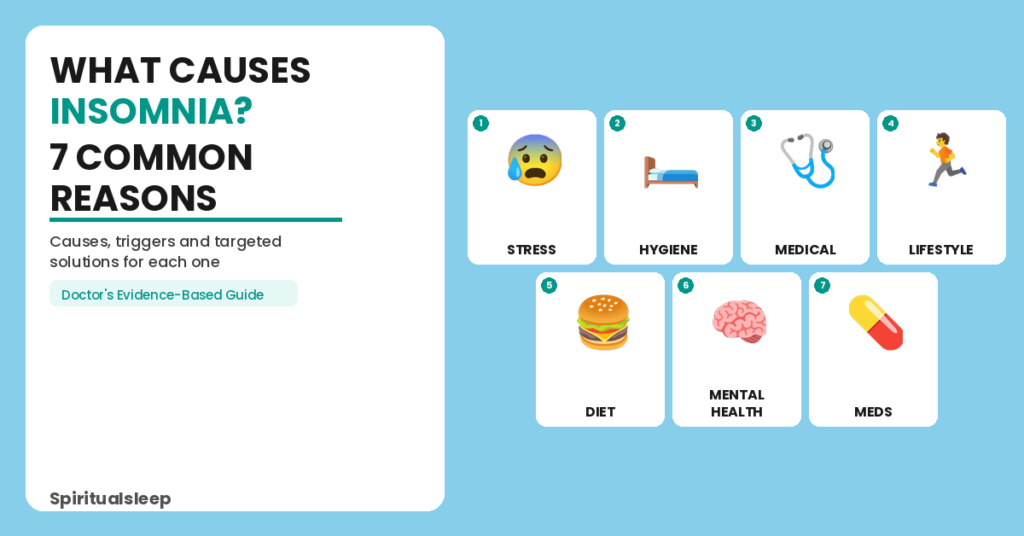
7 Common Causes of Insomnia
1. Stress and Anxiety
Stress is the single most common trigger of insomnia. When your mind is racing with worries, your body releases cortisol which keeps the nervous system in a heightened alert state. This makes transitioning into deep sleep nearly impossible.
Anxiety and chronic stress create a cycle where poor sleep worsens anxiety and increased anxiety worsens sleep further. Breaking this cycle requires active, targeted intervention.
- Mindfulness meditation:Even 10 minutes before bed measurably lowers cortisol and prepares the brain for rest.
- Pre-bed journaling:Writing down tomorrow’s tasks or current worries clears the mental loop that keeps the mind active at night.
- Consistent wind-down routine:A fixed 30-minute pre-sleep routine signals your nervous system that rest is coming.
Breathing techniques are among the most clinically supported tools for lowering the cortisol that drives stress-related insomnia.
2. Poor Sleep Hygiene
Sleep hygiene refers to the habits and environment that support or undermine sleep quality. Poor sleep hygiene is one of the most fixable causes of insomnia yet it is consistently overlooked.
Common culprits include irregular sleep schedules, screen use before bed, sleeping in a room that is too warm or too bright, and caffeine consumed in the afternoon.
- Fix your sleep schedule:Go to bed and wake at the same time daily including weekends. Consistency trains the circadian rhythm faster than any supplement.
- Limit caffeine after midday:Caffeine has a half-life of five to seven hours, meaning a 3pm coffee is still active in your system at 9pm.
- Optimize your bedroom:Dark, cool, and quiet are the three non-negotiable conditions for quality sleep.
3. Medical Conditions
Several medical conditions directly cause or worsen insomnia. Many people treat the sleep problem without realizing there is an underlying physical cause driving it.
Conditions commonly linked to insomnia include chronic pain from arthritis or fibromyalgia, sleep apnea which causes multiple micro-awakenings per night, restless leg syndrome, acid reflux, and thyroid disorders.
- Get a proper medical evaluation:If insomnia persists despite good sleep hygiene, an underlying condition may be the cause and needs diagnosis.
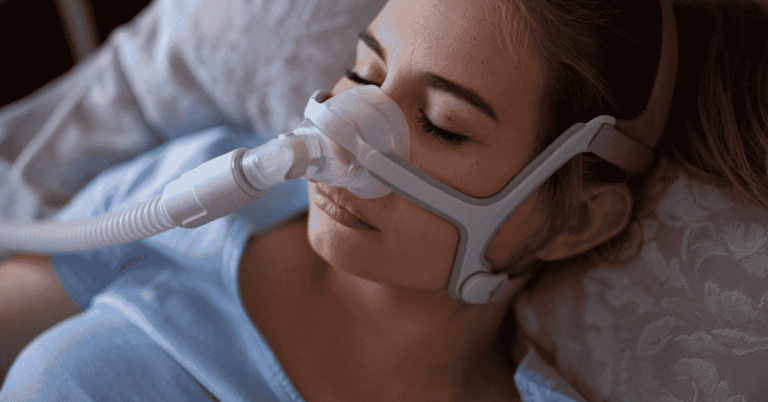
- Treat sleep apnea directly:CPAP therapy often resolves insomnia completely in patients whose primary cause is obstructive apnea.
- Manage chronic pain proactively:Physical therapy, anti-inflammatory strategies, and adjusted sleep positioning reduce pain-driven nighttime waking significantly.
4. Lifestyle Factors
Daily habits have a direct and measurable impact on sleep quality. Irregular work schedules and shift work confuse the circadian rhythm by forcing sleep at times when the body expects to be awake. A sedentary lifestyle reduces the physical fatigue that makes sleep feel natural and easy.
Excessive evening screen time suppresses melatonin production through blue light exposure, pushing sleep onset later every night.
- Add daily movement:Even a 30-minute walk significantly increases deep sleep time and reduces sleep onset time throughout the week.
- Cut screens one hour before bed:Blue light blocking glasses or device filters are a practical alternative if evening screen use is unavoidable.
- Keep consistent hours on rest days:Sleeping in on weekends resets your body clock and makes the following week harder every single time.
5. Dietary Habits
What you eat and when you eat it affects sleep more than most people realize. Caffeine and sugar are well-known stimulants but heavy meals, spicy foods, and alcohol close to bedtime are equally disruptive to sleep architecture. Several foods and beverages are directly linked to worsening insomnia symptoms.
Alcohol deserves special mention. It causes initial drowsiness but fragments sleep in the second half of the night and suppresses REM sleep almost completely.
- Cut caffeine after 2pm:This includes tea, chocolate, cola, and some over-the-counter medications like certain pain relievers.
- Avoid heavy meals within two hours of bed:Digestion raises core body temperature which delays sleep onset measurably.
- Choose sleep-friendly evening snacks:Bananas, almonds, and chamomile tea all contain nutrients that support melatonin and serotonin production naturally.
6. Mental Health Disorders
Insomnia and mental health disorders are deeply intertwined. Depression, anxiety disorder, PTSD, and bipolar disorder all disrupt sleep architecture. And poor sleep consistently worsens these same conditions, creating a feedback loop that is very difficult to break without targeted professional support.
- Seek professional support:A therapist or psychiatrist addresses the underlying mental health condition, which often resolves the sleep problem simultaneously.
- Consider CBT-I:Cognitive Behavioral Therapy for Insomnia is the most evidence-based treatment for chronic insomnia and produces superior long-term results compared to medication.
- Combine therapy with relaxation techniques:Deep breathing and progressive muscle relaxation complement clinical treatment and accelerate results.
7. Medications and Substances
Certain prescription and over-the-counter medications interfere directly with sleep. ADHD stimulant medications, some antidepressants, corticosteroids, beta-blockers, and diuretics are among the most common offenders.
Recreational substances including cannabis, while they may initially promote sleep, reduce REM sleep and worsen insomnia over time with regular use.
- Review your medications with your doctor:If insomnia began around the time a new medication was started, this connection is worth investigating directly.
- Adjust timing where possible:Some medications can be taken earlier in the day to reduce their impact on evening sleep.
- Avoid alcohol as a sleep aid:It is one of the most counterproductive habits for anyone already struggling with sleep quality.
A Doctor’s Personal Experience
In my practice, I treated a young professional in her late 20s with chronic insomnia driven by work-related stress. She was averaging four to five hours of broken sleep and relying on coffee throughout the day, which was compounding the problem significantly.
We addressed three areas simultaneously: a consistent 10:30pm bedtime, a caffeine cutoff at noon, and a 15-minute mindfulness and journaling routine before sleep. Within three weeks her sleep improved noticeably and within six weeks she was consistently sleeping seven hours without interruption.
Personally, after long clinic days I rely on deep breathing and a fixed wind-down routine to prevent the racing thoughts that would otherwise keep me awake. Small habits applied consistently make a real and measurable difference.
Frequently Asked Questions
Can insomnia be cured permanently?
Yes. Most cases of insomnia resolve completely when the underlying cause is identified and addressed. Chronic insomnia responds particularly well to CBT-I combined with consistent lifestyle changes.
How long does recovery take?
Acute insomnia often resolves within days once the stressor is removed. Chronic insomnia typically improves within four to eight weeks of consistent behavioral treatment.
Is sleep medication the best solution?
Medication provides short-term relief but does not address the underlying cause. Behavioral therapies like CBT-I produce more sustainable results with no dependency risk.
When should I see a doctor?
If insomnia persists for more than four weeks or significantly affects your daily functioning, a medical evaluation is the right next step.
Conclusion
Understanding what causes insomnia makes it far less overwhelming. In most cases there is a specific, identifiable trigger whether it is stress, poor sleep hygiene, a medical condition, or a lifestyle factor. Each cause has targeted solutions that genuinely work.
Start by identifying the most likely cause in your own situation. Apply one or two consistent changes and track your sleep over two to four weeks. Most people see meaningful improvement within that timeframe.
If insomnia persists despite consistent effort, a healthcare professional can rule out any underlying medical or psychological causes that need direct treatment.
Medical Disclaimer:This article is based on thorough research, scientific studies, and my personal experience as a medical doctor interested in sleep health. This content is for informational purposes only and should not be considered medical advice. Each individual’s sleep needs and health conditions are unique. I recommend consulting with a healthcare professional or sleep specialist to address specific concerns.