What Causes Sleep Apnea: 8 Key Triggers and How to Address Them
Understanding what causes sleep apnea is essential for anyone who snores heavily, wakes gasping for air, or experiences persistent daytime fatigue despite spending adequate hours in bed. Sleep apnea affects millions of people worldwide, and a large proportion remain undiagnosed for years.
As an MBBS doctor with a focus on sleep disorders, I have diagnosed and treated numerous sleep apnea patients. The condition is serious but highly manageable once the underlying cause is identified. This guide covers the eight main causes and what you can do about each one.
Table of Contents
What Is Sleep Apnea?
Sleep apnea is a condition where breathing repeatedly stops and starts during sleep. These interruptions can last from seconds to minutes and occur dozens of times per hour in severe cases, each time pulling the brain out of deep sleep to restore normal breathing.
There are three main types. Obstructive Sleep Apnea (OSA) is the most common and occurs when the soft tissue in the throat physically collapses and blocks the airway. Central Sleep Apnea (CSA) occurs when the brain fails to send proper signals to the breathing muscles. Complex Sleep Apnea Syndrome combines both types and is sometimes called treatment-emergent central sleep apnea.
How Sleep Apnea Affects Your Health
Every time breathing stops, oxygen levels in the blood drop and the body triggers a stress response. Repeated hundreds of times per night, this causes cumulative damage that extends far beyond poor sleep.
Untreated sleep apnea is linked to high blood pressure, heart disease, stroke, type 2 diabetes, and cognitive decline. It is also one of the most common causes of excessive daytime sleepiness and a significant contributor to road accidents and workplace errors.
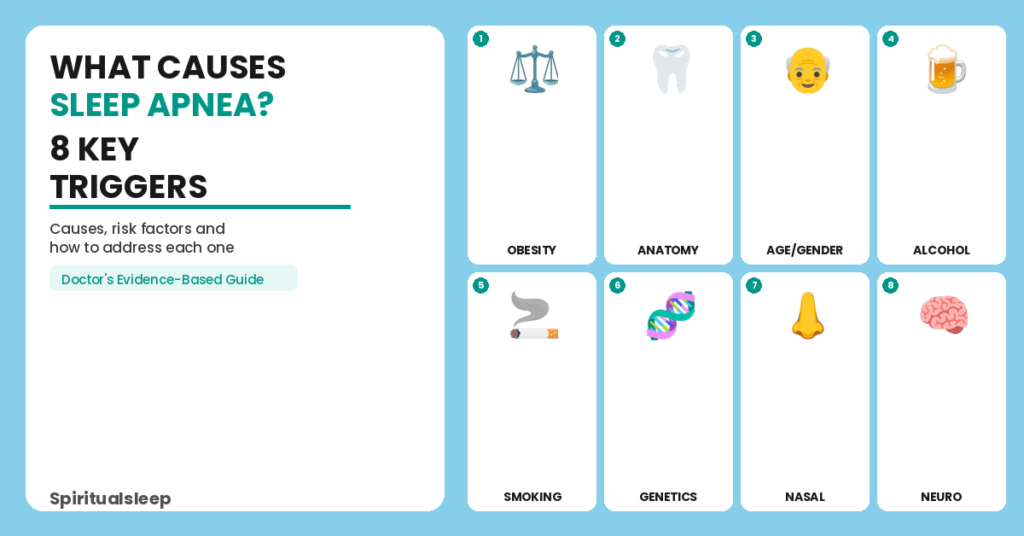
8 Key Causes of Sleep Apnea
1. Obesity and Excess Weight
Obesity is the single most common cause of obstructive sleep apnea. Excess fat deposits around the neck, throat, and tongue narrow the airway and make it far more likely to collapse during sleep when muscle tone drops. A neck circumference over 40 centimetres in men and 35 centimetres in women significantly increases risk.
- Weight management:Even a 10 percent reduction in body weight can meaningfully reduce the severity of sleep apnea and in mild cases resolve it entirely.
- Diet and activity:A whole-food diet combined with 30 minutes of moderate daily exercise addresses the underlying metabolic cause rather than just the symptoms. Dietary habits are a major and often overlooked driver of sleep apnea severity.
- Medical support:A healthcare provider or dietitian can provide a structured weight management plan tailored to your specific needs.
2. Anatomical Factors
Certain physical characteristics narrow or obstruct the airway regardless of body weight. These include enlarged tonsils or adenoids (particularly in children), a recessed chin, a small jaw, a high narrow palate, or a naturally narrow throat.
These structural factors are often present from birth and explain why some slim individuals develop severe obstructive sleep apnea with no other risk factors present.
- ENT evaluation:An ear, nose and throat specialist can assess your airway structure and identify any correctable anatomical contributors.
- Surgical options:Tonsillectomy, uvulopalatopharyngoplasty, and jaw advancement surgery are effective for specific anatomical causes.
- Positional therapy:Sleeping on your side rather than your back prevents the tongue and soft palate from falling backward and blocking the airway.
3. Age and Gender
Men are twice as likely to develop sleep apnea as women, primarily due to differences in body fat distribution and airway anatomy. However, the risk for women increases significantly after menopause as oestrogen and progesterone levels fall.
The overall risk for both genders increases with age as muscle tone decreases and the airway becomes less structurally supported during sleep.
- Postmenopausal women:Discuss the impact of hormonal changes on sleep health with your doctor, as hormone replacement therapy sometimes reduces sleep apnea severity.
- Regular monitoring:Annual review of sleep quality becomes more important after the age of 50 for both men and women.
- Strength and resistance exercise:Building neck and pharyngeal muscle tone through regular exercise reduces airway collapse risk over time.
4. Alcohol and Sedative Use
Alcohol and sedatives relax the muscles of the throat more deeply than normal sleep does. This increases the likelihood of airway collapse and prolongs apnea episodes. Alcohol also suppresses the brain’s arousal response, meaning the body takes longer to correct breathing after each episode.
Many patients with mild sleep apnea only develop clinically significant symptoms after drinking alcohol regularly in the evenings.
- Cut alcohol three hours before bed:This timing allows the relaxant effect to wear off before sleep begins and reduces apnea severity significantly.
- Avoid sedative sleep aids:Antihistamines, benzodiazepines, and other sedative medications worsen sleep apnea and should only be used under medical supervision.
- Replace the evening wind-down drink:Chamomile tea, magnesium glycinate, or a warm bath achieve relaxation without relaxing throat musculature.
5. Smoking
Smokers are three times more likely to develop sleep apnea than non-smokers. Smoking inflames and irritates the upper airway, causing swelling and increased mucus production that narrows the airway.
- Smoking cessation:Quitting is one of the few changes that directly improves sleep apnea through airway inflammation reduction.
- Cessation support:Nicotine replacement therapy, prescription medications, and behavioral counseling all significantly improve quit rates.
- Immediate benefit:Airway inflammation begins to reduce within weeks of stopping smoking, with corresponding improvements in sleep quality.
6. Family History and Genetics
A family history of sleep apnea increases your personal risk through inherited anatomical traits such as a narrow airway, small jaw, or tendency toward central obesity. Genetic factors also influence how the brain regulates breathing during sleep and how sensitive the arousal mechanism is.
- Proactive screening:If sleep apnea runs in your family, discuss a sleep study with your doctor even if symptoms seem mild.
- Address modifiable risk factors:Genetics determines your baseline risk but lifestyle factors including weight, alcohol use, and smoking determine whether the condition activates and how severe it becomes.
7. Nasal Congestion and Airway Blockage
Chronic nasal congestion from allergies, sinus infections, or a deviated septum forces mouth breathing during sleep. Mouth breathing bypasses the natural filtering and humidification of the nasal passages and significantly increases the likelihood of airway collapse.
- Treat allergies consistently:Year-round allergic rhinitis is one of the most common and most reversible contributors to obstructive sleep apnea.
- Saline nasal irrigation:Daily nasal rinsing with saline solution clears congestion and reduces inflammation without medication dependency.
- Surgical correction:A deviated septum causing significant obstruction often benefits from surgical correction when conservative treatment does not produce adequate relief.
8. Neurological Conditions
Central sleep apnea, where the brain fails to send consistent breathing signals during sleep, is often linked to underlying neurological conditions. Heart failure, stroke, brainstem tumors, Parkinson’s disease, and high-altitude exposure are among the most common triggers of CSA.
- Neurological evaluation:If central sleep apnea is suspected, a neurologist should assess for underlying conditions rather than treating the apnea in isolation.
- Adaptive servo-ventilation (ASV):This specialized breathing device adjusts pressure in real time and is the standard treatment for complex and central sleep apnea.
- Address the primary condition:Treating the underlying neurological or cardiac condition often improves central sleep apnea significantly without additional interventions.
Once you understand the cause, the next step is building a practical management plan.
A Doctor’s Personal Experience
In my practice, I treated a middle-aged professional who came to me after his wife noticed he stopped breathing repeatedly during sleep. He was moderately overweight, worked long hours under significant stress, and had a habit of drinking wine most evenings.
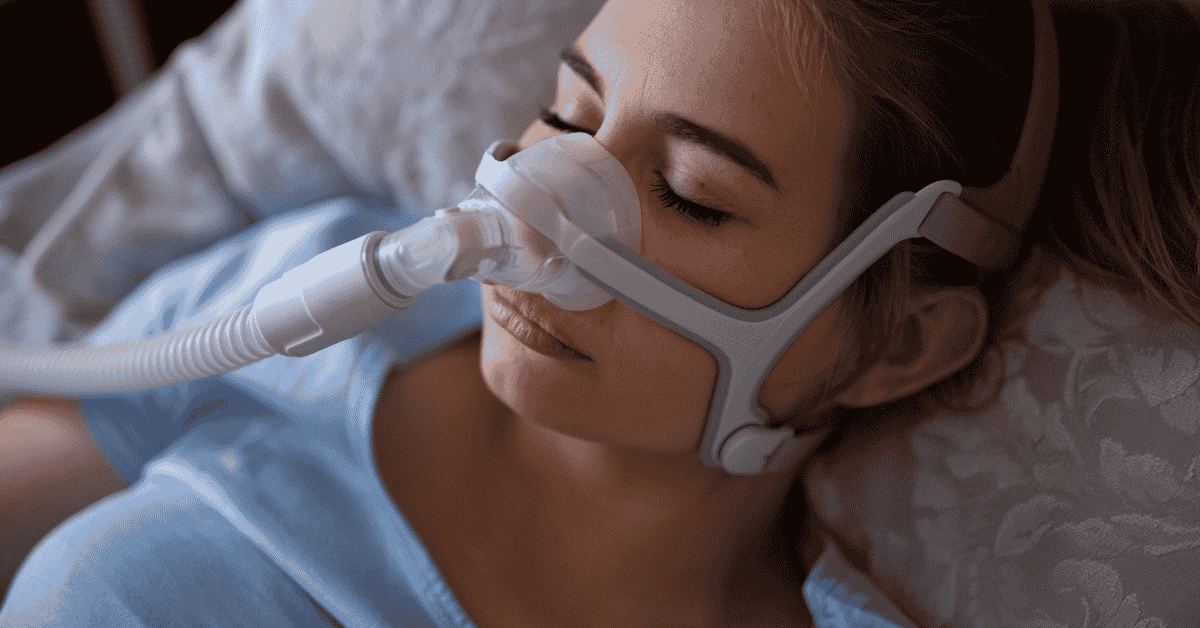
A sleep study confirmed severe obstructive sleep apnea with over 40 apnea events per hour. We addressed three things simultaneously: CPAP therapy, cutting evening alcohol, and a structured weight loss plan. Within six weeks, his apnea events reduced by over 80 percent and his daytime energy and concentration improved dramatically.
Sleep apnea can affect anyone. I monitor my own sleep quality regularly and advise all patients over 40 to do the same, particularly if they snore or feel unrefreshed in the mornings.
Frequently Asked Questions
Can sleep apnea be cured permanently?
In some cases, yes. Weight loss sufficient to eliminate airway obstruction, surgical correction of anatomical causes, or resolution of the underlying neurological condition can all produce lasting remission. For most patients, effective management with CPAP or other devices provides excellent symptom control.
How is sleep apnea diagnosed?
A sleep study, either conducted at home with a portable monitor or in a sleep clinic with full polysomnography, is the gold standard for diagnosis. Your doctor can refer you based on symptoms.
Is sleep apnea dangerous if untreated?
Yes. Untreated sleep apnea carries significantly elevated risks of heart attack, stroke, type 2 diabetes, and severe daytime impairment including drowsy driving. Early diagnosis and treatment reduce these risks substantially.
Can children develop sleep apnea?
Yes. Enlarged tonsils or adenoids are the most common cause in children. Symptoms include loud snoring, mouth breathing, restless sleep, and behavioral problems during the day. Pediatric ENT evaluation is essential.
Conclusion
Understanding what causes sleep apnea gives you the foundation to address it effectively. Obesity, anatomy, age, alcohol, smoking, genetics, nasal congestion, and neurological conditions each require a different intervention, which is why an accurate diagnosis matters so much.
If you or someone you know snores loudly, wakes gasping, or is chronically tired despite adequate sleep time, a sleep study is the right next step. Sleep apnea is treatable and the health benefits of effective treatment are substantial and well-documented.
Do not wait years for a diagnosis. The earlier it is identified, the less cumulative damage it causes.
Medical Disclaimer:This article is based on thorough research, scientific studies, and my personal experience as a medical doctor interested in sleep health. This content is for informational purposes only and should not be considered medical advice. Each individual’s sleep needs and health conditions are unique. I recommend consulting with a healthcare professional or sleep specialist to address specific concerns.