What Does Chronic Insomnia Mean? Causes, Symptoms and Natural Fixes
Understanding what chronic insomnia means is the first step toward treating it correctly. Many people confuse it with occasional poor sleep, but chronic insomnia is a clinical condition with specific diagnostic criteria and real health consequences that build over time.
As an MBBS doctor with a focus on sleep health, I work with chronic insomnia patients regularly. The condition is more treatable than most people expect, but only when the underlying cause is properly identified and addressed.
Table of Contents
What Does Chronic Insomnia Mean?
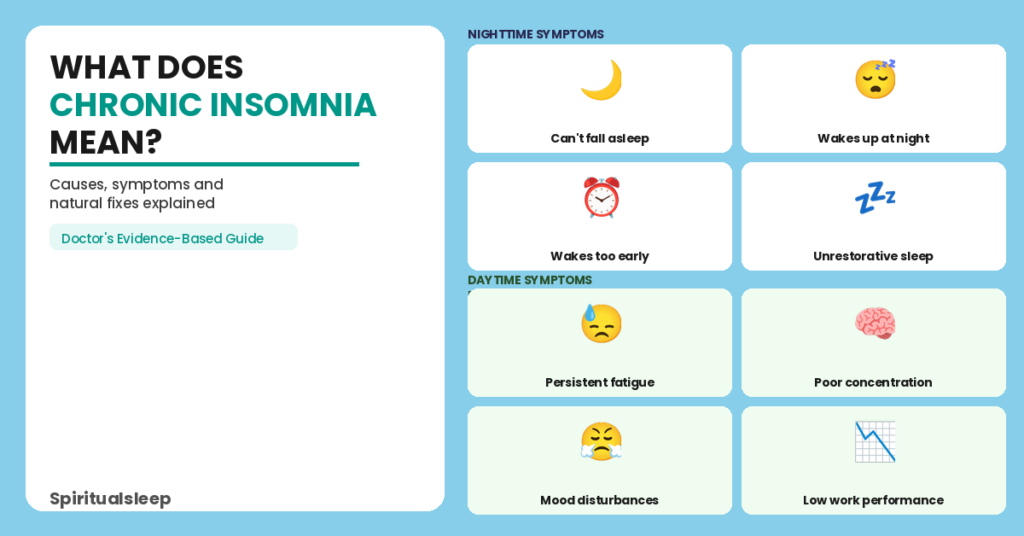
Chronic insomnia is a long-term sleep disorder in which a person consistently struggles to fall asleep, stay asleep, or wakes too early and cannot return to sleep. To meet the clinical definition, these difficulties must occur at least three nights per week for three months or longer.
It is not about the occasional bad night that everyone experiences. Chronic insomnia involves persistent sleep failure that actively impairs daytime functioning, including work performance, mood, cognitive ability, and physical health.
How Chronic Insomnia Differs From Acute Insomnia
Acute insomnia is short-term, typically triggered by a specific stressor such as a job change, bereavement, or illness, and it resolves on its own within days to weeks. Chronic insomnia is self-sustaining. Even after the original trigger disappears, the sleep difficulty continues because the brain has learned a pattern of wakefulness in bed.
This learned hyperarousal is what makes chronic insomnia so persistent and why behavioral treatment is usually more effective than medication for long-term resolution.
Symptoms of Chronic Insomnia
Nighttime Symptoms
- Difficulty falling asleep even when physically tired.
- Waking up multiple times during the night.
- Lying awake for long stretches in the middle of the night.
- Waking too early and being unable to return to sleep.
Daytime Symptoms
- Persistent fatigue that does not improve with rest.
- Difficulty concentrating, poor memory, and slow thinking.
- Irritability, low mood, or heightened anxiety.
- Reduced performance at work, school, or in daily tasks.
- Relying on naps or caffeine to get through the day.
What Causes Chronic Insomnia?
1. Stress and Anxiety
Persistent stress keeps cortisol elevated at night, which blocks the physiological shift your body needs to enter deep sleep. The mind stays in problem-solving mode when it should be switching off.
- Mindfulness meditation:Even 10 minutes before bed reduces nighttime cortisol measurably and interrupts the stress-sleep cycle.
- Journaling:Writing down worries before bed clears the mental loop that keeps the brain active after lights out.
- CBT-I:Cognitive Behavioral Therapy for Insomnia is the most evidence-based treatment for stress-driven chronic insomnia and produces lasting results.
2. Poor Sleep Hygiene
Inconsistent bedtimes, late screen use, and a stimulating bedroom environment all prevent the brain from building reliable sleep associations. Over months, this trains the brain to expect wakefulness in bed rather than sleep.
- Fixed sleep schedule:The same bedtime and wake time every day, including weekends, resets the circadian rhythm faster than any supplement.
- Screen cutoff:Blue light suppresses melatonin production. Switch off screens at least one hour before bed.
- Bedroom environment:Dark, cool, and quiet conditions are non-negotiable for consistent deep sleep.
3. Medical Conditions
Conditions including sleep apnea, restless leg syndrome, chronic pain, acid reflux, and thyroid disorders directly fragment or prevent sleep. These are often undiagnosed and the patient attributes their insomnia to stress or lifestyle when there is actually a physical driver.
- See a doctor:A medical evaluation rules out physical causes that lifestyle changes alone cannot fix.
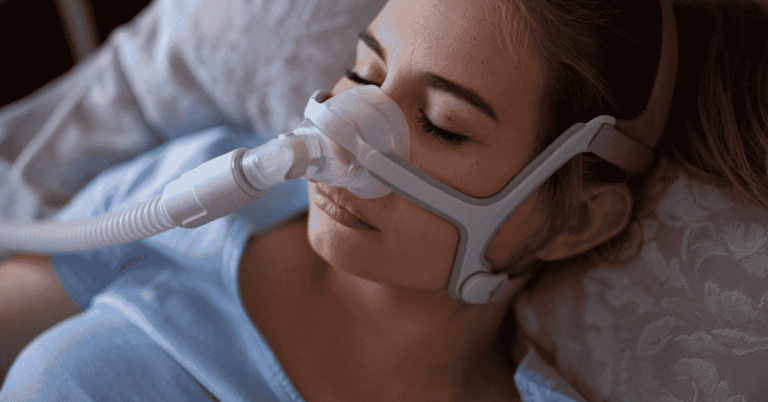
- Treat sleep apnea:CPAP therapy resolves insomnia in many apnea patients completely and quickly.
- Pain management:Physical therapy, anti-inflammatory treatment, and adjusted sleeping positions reduce pain-driven nighttime waking significantly.
4. Mental Health Disorders
Depression, anxiety disorder, PTSD, and bipolar disorder are all closely linked to chronic insomnia. The relationship goes both ways. Poor sleep worsens mental health symptoms and mental health disorders prevent restorative sleep, creating a cycle that requires targeted treatment on both fronts simultaneously.
- Professional therapy:Addressing the underlying mental health condition often resolves the sleep problem alongside it.
- Medication review:Some antidepressants improve sleep while others disrupt it. A doctor can adjust prescriptions to support rather than harm sleep.
5. Medications and Substances
Alcohol is a particularly common culprit because it induces initial drowsiness but fragments sleep severely in the second half of the night. Stimulant medications, corticosteroids, and diuretics all interfere with sleep architecture.
- Review medications with your doctor:If insomnia started around the same time as a new medication, the connection is worth investigating.
- Cut caffeine after midday:Its stimulant effect can persist for six to eight hours.
- Stop using alcohol as a sleep aid:It worsens sleep architecture every time it is used for this purpose.
For a complete breakdown of every cause and its targeted solution, see our detailed guide on what causes insomnia.
How Chronic Insomnia Affects Your Health
Chronic insomnia is not just about feeling tired. The health consequences of sustained poor sleep are serious and well-documented.
- Physical health:Chronic insomnia is linked to elevated blood pressure, weakened immunity, increased risk of type 2 diabetes, and higher rates of cardiovascular disease.
- Mental health:Sustained sleep deprivation raises the risk of depression and anxiety disorder significantly and impairs emotional regulation.
- Cognitive function:Memory consolidation, problem-solving, and decision-making all depend on adequate deep and REM sleep. Chronic insomnia degrades all three measurably over time.
How to Manage Chronic Insomnia Naturally
1. Build a Consistent Sleep Routine
Go to bed and wake at the same time every day. A calming 30-minute pre-sleep ritual, whether reading, stretching, or listening to quiet music, signals the nervous system that sleep is coming and builds the sleep association your brain needs.
2. Optimize Your Sleep Environment
Use blackout curtains to eliminate light. Keep the room between 16 and 19 degrees Celsius. Use a fan or white noise machine to mask disruptive sounds. Invest in a supportive mattress and pillow that prevent physical discomfort from waking you.
3. Practice Relaxation Techniques Every Night
- Progressive muscle relaxation:Tense and release each muscle group from feet to face. This discharges physical tension that keeps the nervous system alert.
- Deep breathing:The 4-7-8 method (inhale 4, hold 7, exhale 8) activates the parasympathetic nervous system reliably within minutes.
- Guided imagery:Visualizing a calm, familiar place gives the mind a focused alternative to anxious thought loops.
4. Manage Stress Directly
Breaking tasks into smaller steps, delegating responsibilities, and building social support all reduce the background cortisol load that drives stress-related insomnia. The goal is not to eliminate stress but to lower the baseline level your nervous system carries into the night.
5. Consider Natural Sleep Aids
Low-dose melatonin supports sleep onset particularly for people with disrupted circadian rhythms. Magnesium glycinate reduces nighttime muscle tension and supports deeper sleep. Chamomile and valerian root teas have mild sedative properties with no dependency risk. Always consult a doctor before starting supplements.
Exercise is one of the most evidence-based natural interventionsfor improving sleep architecture in chronic insomnia patients.
A Doctor’s Personal Experience
In my practice, I treated a middle-aged professional who came to me after six months of consistent insomnia driven by work stress. He had tried melatonin and alcohol without lasting improvement.
We worked on eliminating the alcohol, establishing a fixed 10:30pm bedtime, and introducing a 15-minute progressive muscle relaxation routine each night. Within three weeks his sleep onset time dropped from over an hour to under 20 minutes. Within six weeks he was sleeping through the night consistently.
After long clinic days I personally rely on a consistent bedtime and deep breathing to prevent the kind of racing thoughts that would otherwise keep me awake. These are small habits but they work precisely because they are consistent.
Frequently Asked Questions
Is chronic insomnia permanent?
No. With consistent behavioral changes and in some cases professional support, most people recover meaningful sleep quality. CBT-I produces lasting results in the majority of chronic insomnia cases.
Can lifestyle changes alone fix chronic insomnia?
In mild to moderate cases, yes. In severe cases or where there is an underlying medical or mental health condition, professional treatment alongside lifestyle changes produces the best results.
How long before improvements appear?
Most people notice meaningful improvements within two to four weeks of consistent behavioral changes. Full recovery from chronic insomnia typically takes six to twelve weeks.
When should I see a doctor?
If insomnia has persisted for more than four weeks or is significantly affecting your daily functioning, seek a professional evaluation to rule out underlying causes.
Conclusion
Understanding what chronic insomnia means gives you a framework for fixing it. It is not random bad luck. It is a learned pattern with identifiable causes and proven treatments.
Start with sleep hygiene and a consistent bedtime routine. Add relaxation techniques nightly. If improvements do not come within four weeks, see a doctor to rule out medical or psychological causes that need targeted treatment.
Chronic insomnia is a manageable condition. The key is consistent action, not a single overnight fix.
Medical Disclaimer:This article is based on thorough research, scientific studies, and my personal experience as a medical doctor interested in sleep health. This content is for informational purposes only and should not be considered medical advice. Each individual’s sleep needs and health conditions are unique. I recommend consulting with a healthcare professional or sleep specialist to address specific concerns.