
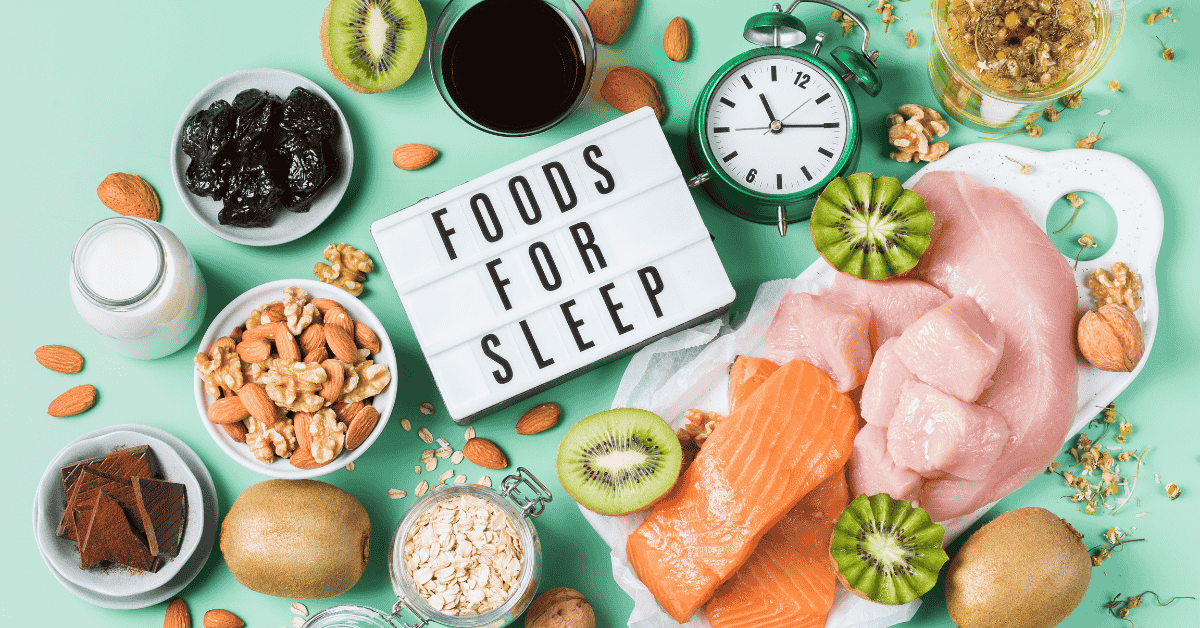
9 Best Foods Before Bed for Sleep: A Doctor’s Guide
Millions of people searching for the best foods before bed for sleep are already looking in the right direction but not far enough. They try earlier bedtimes, sleep apps, and blackout curtains but ignore the one thing sitting right in their kitchen.
What you eat before bed directly affects how well you sleep. The right foods relax your muscles, trigger melatonin production, and calm your nervous system. The wrong ones keep your brain wired when it should be winding down.
As an MBBS doctor with a focus on sleep health, I see patients every week who make the same bedtime food mistakes. This guide breaks down exactly which foods help and which ones quietly steal your sleep.
Table of Contents
Why Your Late-Night Snack Matters More Than You Think
Sleep is not just rest. Your body repairs tissue, regulates hormones, and consolidates memories during sleep. When sleep quality drops, the consequences show up fast.
- Cognitive decline:Poor focus, weak memory, and slow decision-making.
- Mood disorders:Chronic sleep deprivation raises the risk of anxiety and depression.
- Physical health:Insufficient sleep is linked to obesity, diabetes, heart disease, and weakened immunity.
Your gut and brain communicate through the gut-brain axis. What you digest in the evening influences neurotransmitter activity including serotonin and melatonin, the exact chemicals that control your sleep-wake cycle.
Common Bedtime Food Mistakes That Ruin Your Sleep
Before getting to the best foods, here is what most people get wrong.
- Eating too close to bedtime.A heavy meal within 30 minutes of sleep forces your digestive system to stay active, raising core body temperature and disrupting the cooling your body needs to fall asleep.
- Thinking all carbs are bad at night.Complex carbohydrates help tryptophan reach the brain faster, boosting serotonin and melatonin. Not all carbs are equal.
- Ignoring timing.Eating too early leaves you hungry by midnight. Eating too late overstimulates digestion. The sweet spot is 1 to 2 hours before bed.
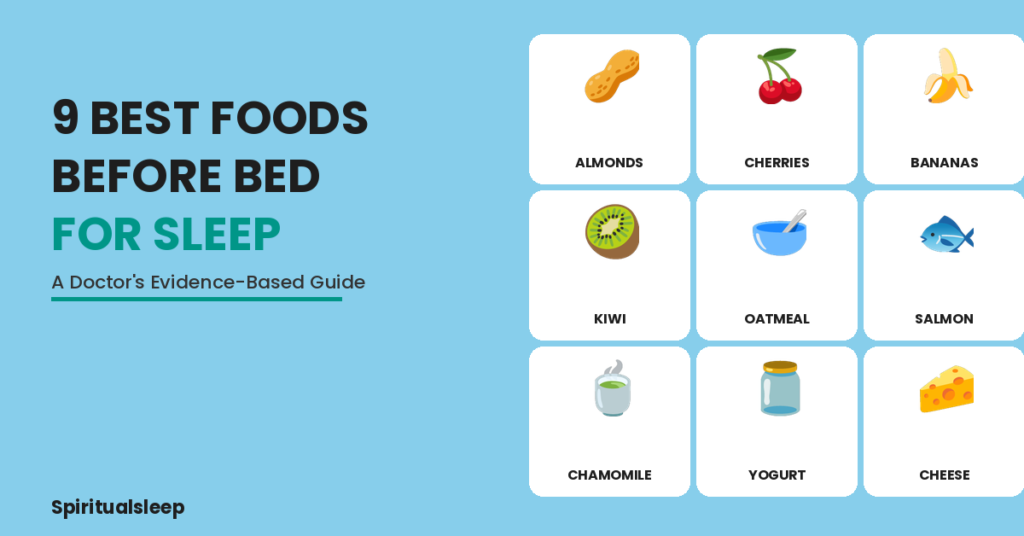
The 9 Best Foods Before Bed for Sleep
1. Almonds
Almonds are rich in magnesium, a mineral that relaxes muscles and helps regulate melatonin production. Studies show that low magnesium levels are directly linked to poor sleep quality.
A small handful (around 1 ounce) before bed is enough. Add them to yogurt or oatmeal if you prefer not to eat them plain.
2. Tart Cherries
Tart cherries are one of the few natural food sources of melatonin. Research shows that drinking tart cherry juice twice daily can increase sleep time and reduce insomnia symptoms.
They also contain anthocyanins, antioxidants that reduce inflammation, which can otherwise interrupt deep sleep. Eat a small bowl of fresh tart cherries or drink a glass of unsweetened tart cherry juice about an hour before bed.
3. Bananas
Bananas contain tryptophan, potassium, and magnesium, a combination that actively relaxes muscles and nerves. Tryptophan converts into serotonin and then melatonin inside your body.
They are easy to digest and provide natural sugar that will not spike blood glucose. Pair a banana with a tablespoon of almond butter for a balanced pre-bed snack.
4. Kiwi
Kiwi is one of the most underrated sleep foods. A study published in the Asia Pacific Journal of Clinical Nutrition found that eating two kiwis one hour before bed improved total sleep time by 13% and sleep efficiency by 5% over four weeks.
Kiwis are high in serotonin and antioxidants like vitamin C and folate, both of which support the nervous system’s ability to regulate sleep. Eat one or two kiwis as a light snack before bed.
5. Oatmeal
Oatmeal is a complex carbohydrate that triggers a small insulin response, which helps tryptophan enter the brain more efficiently. It also contains small amounts of melatonin and magnesium.
Warm oatmeal has a calming effect on the digestive system. Prepare a small bowl with milk (which also contains tryptophan) and top it with sliced banana or a few almonds.
6. Fatty Fish (Salmon, Mackerel)
Fatty fish provide omega-3 fatty acids and vitamin D, both of which increase serotonin levels in the brain and help regulate your circadian rhythm.
Include fatty fish as part of dinner at least 2 to 3 hours before sleep. Pair with leafy greens or quinoa for a balanced meal.
7. Herbal Teas (Chamomile and Valerian Root)
Chamomile tea contains apigenin, a compound that binds to GABA receptors in the brain. These are the same receptors that anti-anxiety medications target. This produces a natural calming effect without sedation.
Valerian root tea has been used for centuries to treat insomnia and has shown promising results in reducing the time it takes to fall asleep. Brew a cup 30 minutes before bed. Add a small amount of honey if needed, as it also helps regulate melatonin levels.
8. Greek Yogurt
Greek yogurt contains tryptophan and calcium. Calcium plays a direct role in how effectively the brain converts tryptophan into melatonin. Without enough calcium, the process slows down.
It is also high in protein, which prevents nighttime hunger, and contains probiotics that support gut health. A healthy gut microbiome is increasingly linked to better sleep quality through the gut-brain axis.
Enjoy plain Greek yogurt with a drizzle of honey and fresh berries before bed.
9. Whole Grain Crackers with Cheese
Whole grain crackers provide complex carbohydrates that help tryptophan reach the brain. Cheese adds protein and calcium, both important for melatonin synthesis.
This combination is satisfying without being heavy and stabilizes blood sugar overnight so sleep is not interrupted by hunger or glucose crashes. Pair two or three crackers with a couple of slices of low-fat cheese.
A Doctor’s Personal Recommendation
In my practice, I had a patient, a professional in her mid-30s, who came to me exhausted despite spending seven to eight hours in bed. After reviewing her evening habits, the problem became clear. She was eating sugary snacks and chocolate right before sleep, unknowingly spiking blood sugar and blocking melatonin production.
I recommended she switch to tart cherries and Greek yogurt in the evening and add chamomile tea 30 minutes before bed. Within three weeks, she reported falling asleep faster and waking up feeling genuinely rested.
Personally, I end most of my long work days with chamomile tea and a small handful of almonds. It is a simple habit that genuinely works, and one I recommend regularly.
How to Time Your Bedtime Snacks
- Eat 1 to 2 hours before sleep.This window allows digestion without raising core body temperature too close to bedtime.
- Keep portions small.A light snack is the goal. Overeating close to sleep causes indigestion and acid reflux that disrupts rest.
- Combine carbs with protein or fat.This stabilizes blood sugar overnight. A banana alone digests quickly, so pair it with nut butter for a lasting effect.
Foods to Avoid Before Bed
Some foods actively damage sleep quality. It is equally important to know which foods actively disrupt sleep. Avoid these in the hours before bed:
- Caffeine:Coffee, black tea, energy drinks, and chocolate can stay in your system for 6 to 8 hours.
- Alcohol:It may cause drowsiness initially, but it fragments sleep and suppresses REM cycles.
- Spicy foods:These cause heartburn and raise core body temperature, both of which interfere with sleep onset.
- High-sugar snacks:Blood sugar spikes followed by crashes pull you out of deep sleep.
Conclusion
The best foods before bed for sleep are not complicated or expensive. Almonds, tart cherries, bananas, kiwi, oatmeal, fatty fish, herbal teas, Greek yogurt, and whole grain crackers with cheese all contain specific nutrients that support melatonin production and muscle relaxation naturally.
Pairing good food choices with consistent sleep hygiene habits produces the fastest improvement. Start small. Swap your evening snack for one of these options tonight and track how your sleep changes over a week. Small, consistent dietary shifts produce real improvements in sleep quality over time.
If dietary changes alone do not resolve your sleep problems, consult a healthcare professional to rule out underlying causes.
Medical Disclaimer: This article is based on thorough research, scientific studies, and my personal experience as a medical doctor interested in sleep health. This content is for informational purposes only and should not be considered medical advice. Each individual’s sleep needs and health conditions are unique. I recommend consulting with a healthcare professional or sleep specialist to address specific concerns.